

Tackling climate and environmental Crisis: HKBU international conference brings together global scientific expertise
In response to the severe environmental challenges posed by climate change, extreme weather, and worsening air pollution, Hong Kong Baptist University (HKBU) hosted the "International Conference on Atmospheric Environment, Extreme Weather, and Health" from 14 to 15 November 2025. The two-day conference attracted approximately 200 leading experts and scholars from around the world to discuss how to strengthen climate resilience and protect public health through interdisciplinary collaboration and scientific innovation.
Supported by the National Natural Science Foundation of China (NSFC), the Beijing-Hong Kong Academic Exchange Centre, and the Air-Climate-Health Integration Research Program and Exchange Platform (ARCH), the conference established a vital international platform fostering scientific interaction and policy dialogue in the fields of climate, environment, and health.
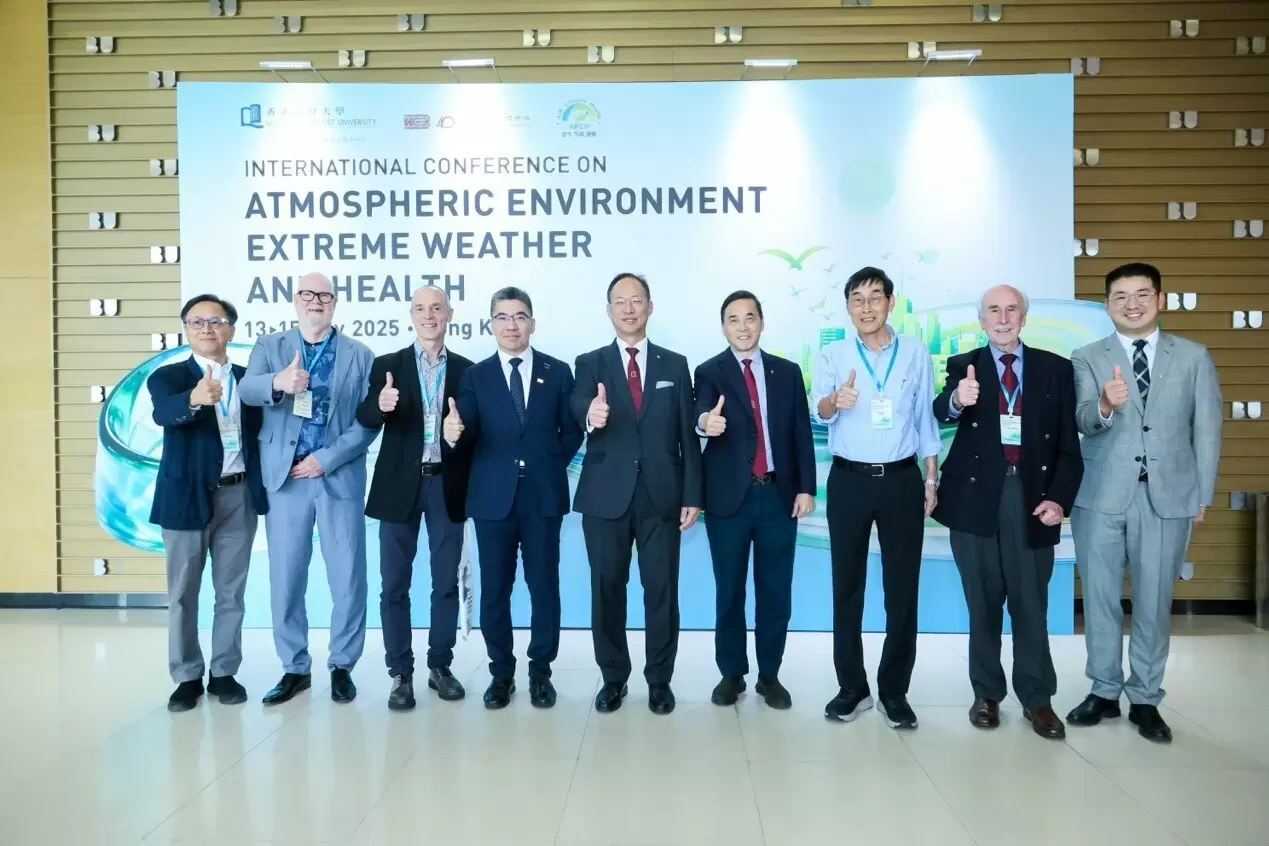
At the Opening Ceremony, welcoming remarks were delivered by HKBU President and Vice-Chancellor Professor Alexander Wai; Dr Yuanming Zheng of the National Natural Science Foundation of China and Director of the Second Division of the Earth Sciences Department; Mr Hsu Hoi Shan, Director and President of the Beijing-Hong Kong Academic Exchange Centre; and Professor Gregory Carmichael from the University of Iowa, who co-chairs the Advisory Group of G3W (AG-G3W) and chairs the Joint Scientific Steering Committee on Environmental Pollution and Atmospheric Chemistry (EPAC SSC) of the Global Atmosphere Watch (GAW) programme.
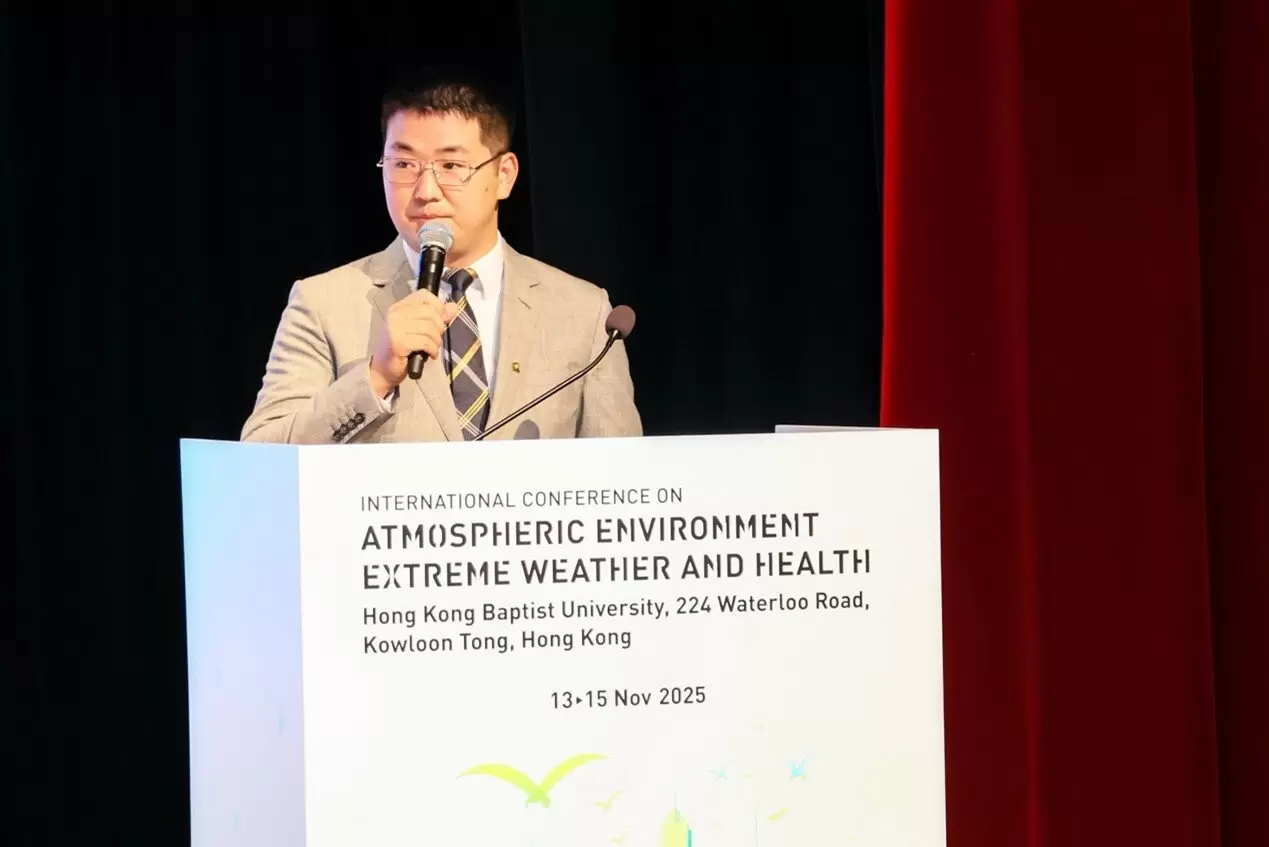
The Conference begins with an introduction of the distinguished guests and an overview of the conference objectives by Professor Gao Meng from the HKBU Department of Geography.
Professor Alexander Wai pointed out that the Conference was convened at a critical juncture, facing unprecedented environmental and health risks from air pollution and extreme weather. He specifically noted that Hong Kong's extreme weather records have been frequently broken this year, including record numbers of Tropical Cyclone Warning Signals and Black Rainstorm Warnings, highlighting the importance of cross-regional cooperation and interdisciplinary integration. He emphasized that HKBU will continue to serve as a "science-policy" bridge, promoting evidence-based environmental decision-making and collaborative research.
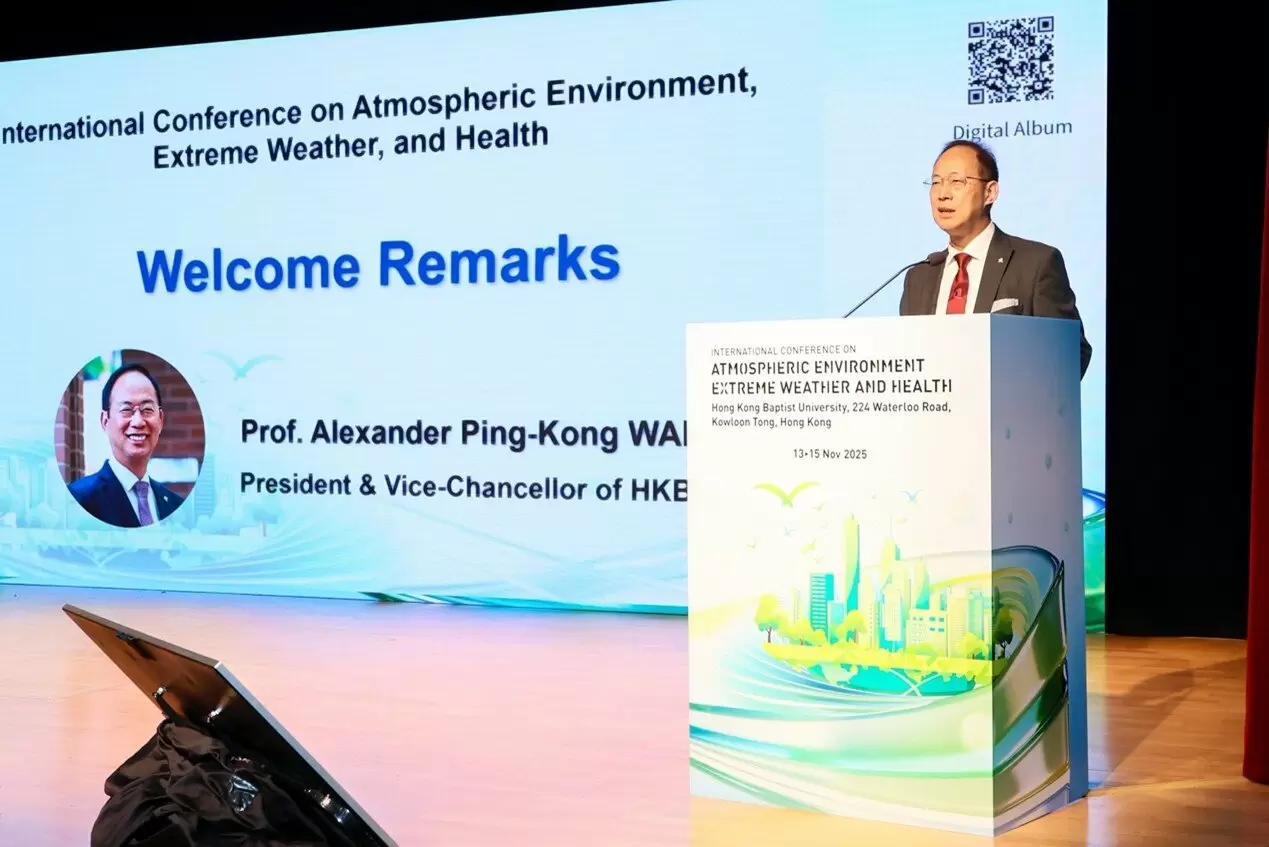
Prof Alexander Wai, President and Vice-Chancellor at HKBU.
Dr Zheng Yuanming stated that the NSFC has long valued fundamental research in atmospheric and environmental sciences, underscoring the irreplaceable role of basic science in deepening the understanding of climate-environment-health interaction mechanisms. He emphasized that international collaboration is crucial for driving scientific innovation, and the NSFC will continue to support cross-border exchanges and joint research.
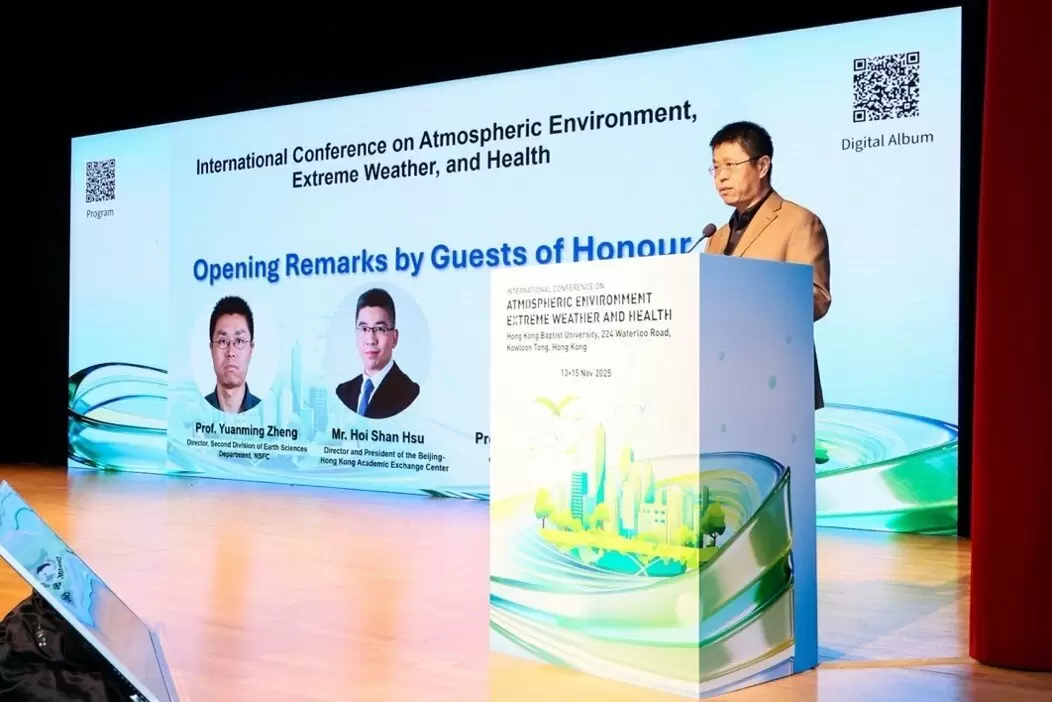
Dr Yuanming Zheng, Director of the Second Division of the Earth Sciences Department at the National Natural Science Foundation of China.
Mr Hsu Hoi Shan indicated that the Beijing-Hong Kong Academic Exchange Centre has always been committed to promoting scientific research collaboration between the Mainland and Hong Kong. He believed that, in the face of increasingly severe air pollution and climate risks, it is necessary to strengthen the construction of research networks and policy-relevant studies. He expressed confidence in the Conference's role in advancing regional and international cooperation.
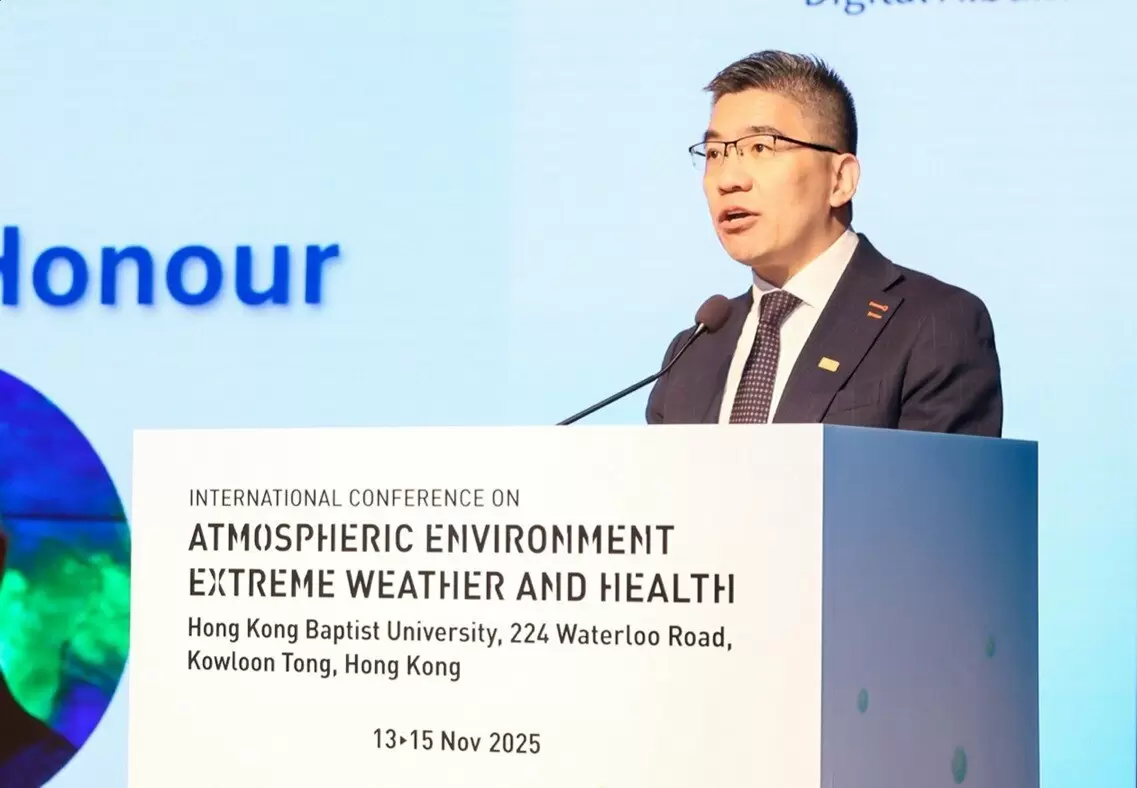
Mr Hsu Hoi Shan, Director and President of the Beijing-Hong Kong Academic Exchange Centre.
Professor Carmichael emphasised the critical importance of globally coordinated atmospheric observations, advanced modeling techniques, and scientific collaboration in addressing environmental and climate challenges. Drawing on his work with the WMO-GAW and its EPAC Scientific Steering Committee, he highlighted the significance of integrated global monitoring systems and collaborative scientific frameworks for risk assessment, early warning, and policy formulation.
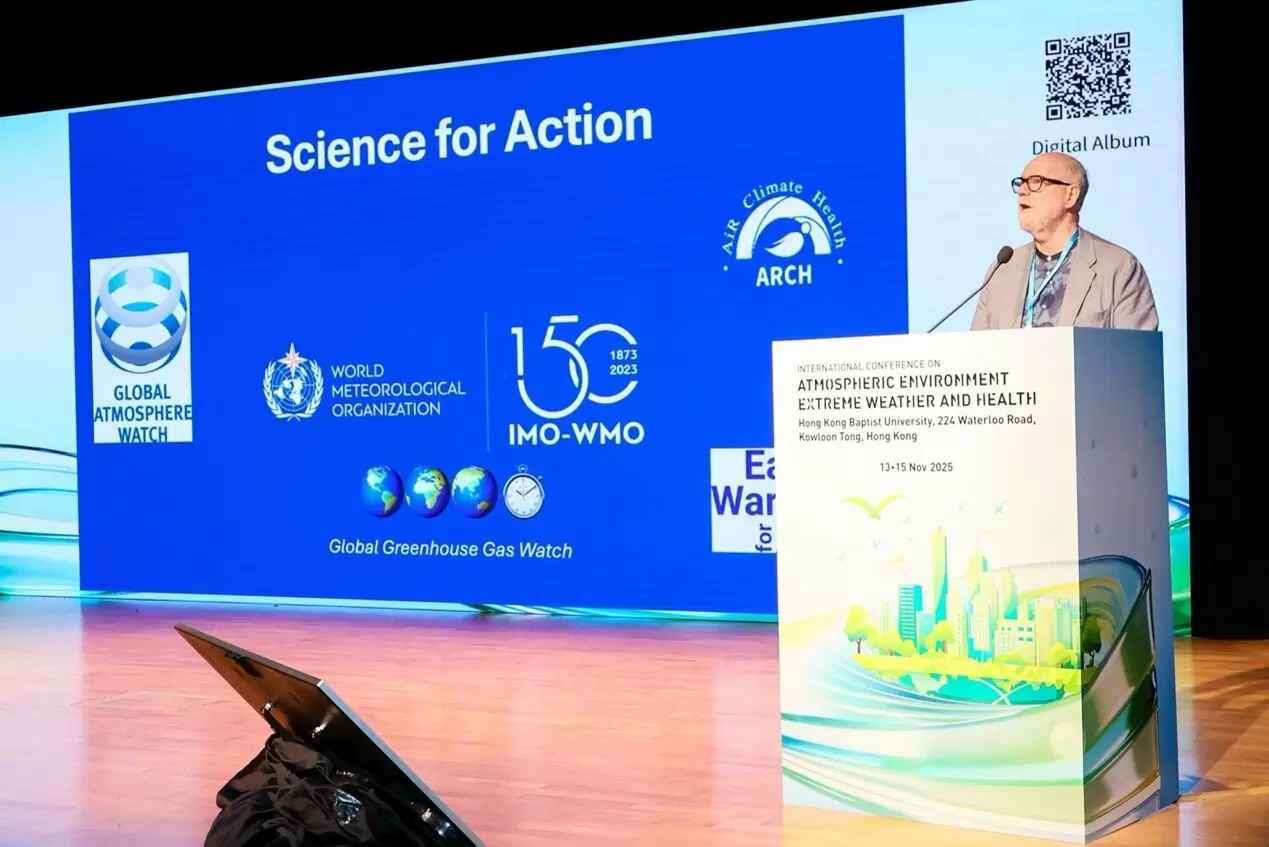
Prof Gregory Carmichael, University of Iowa, Co-Chair of the WMO Advisory Group of G3W (AG-G3W) and Chair of the WMO–GAW Joint Scientific Steering Committee on Environmental Pollution and Atmospheric Chemistry (EPAC SSC).
The Opening Ceremony also included the Inauguration of the Advances in Atmospheric Sciences (AAS) Hong Kong Liaison Office, the Journal’s second International Office following the Met Office in the United Kingdom. Professor Junji Cao, Editor-in-Chief of AAS, was invited to introduce the Journal. After his remarks, Professor Lyu Aiping, Vice-President (Research and Development) at HKBU, joined Professor Cao on stage for the plaque presentation, marking the official launch of the AAS Hong Kong Liaison Office.
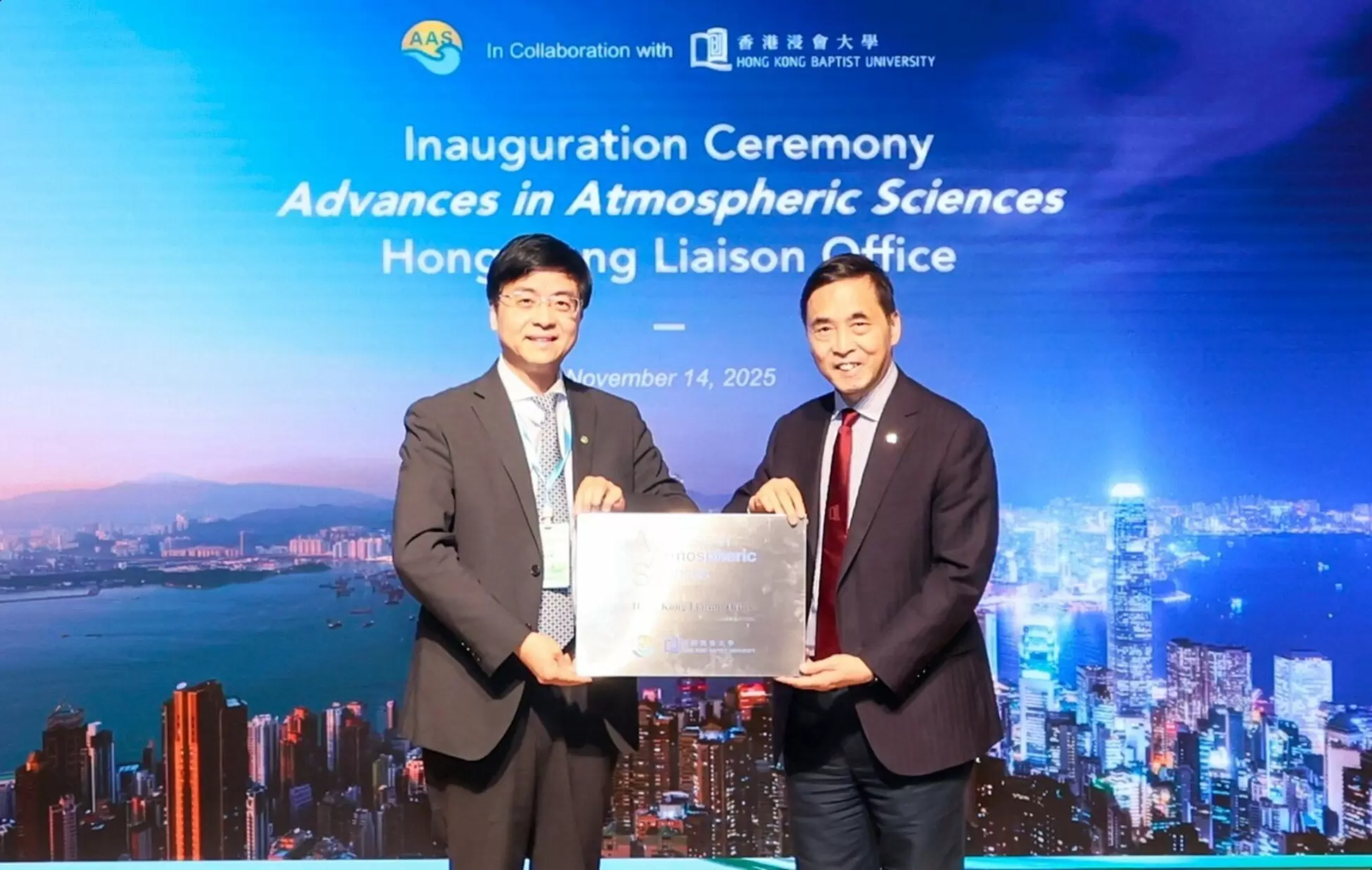
Left: Prof Junji Cao, Editor-in-Chief of Advances in Atmospheric Sciences (AAS); Right: Prof Lyu Aiping, Vice-President (Research and Development) at HKBU.
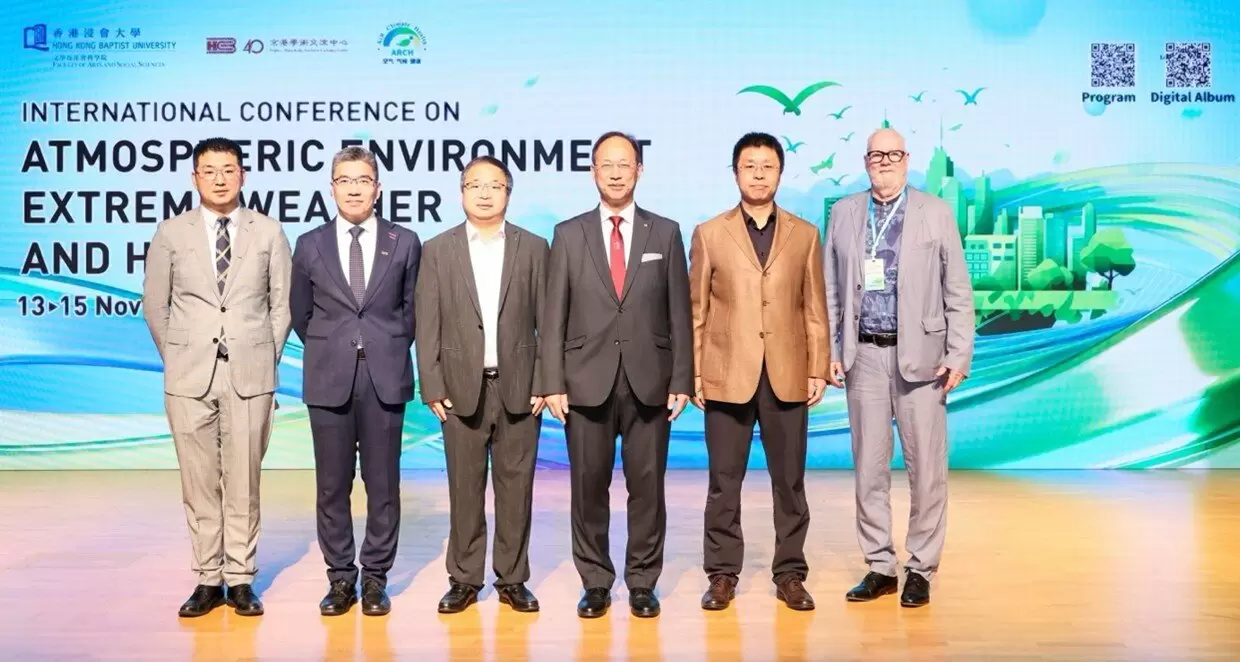
The Conference also featured a series of high-level plenary talks delivered by internationally renowned scholars. Experts from institutions including the Chinese Academy of Sciences, Duke University, University of Birmingham, King Abdullah University of Science and Technology (KAUST), Jinan University, Yonsei University, and the Anhui Institute of Optics and Fine Mechanics shared the latest research findings on cutting-edge topics such as climate-air pollution interactions, atmospheric chemistry, air quality observations, and aerosol processes.
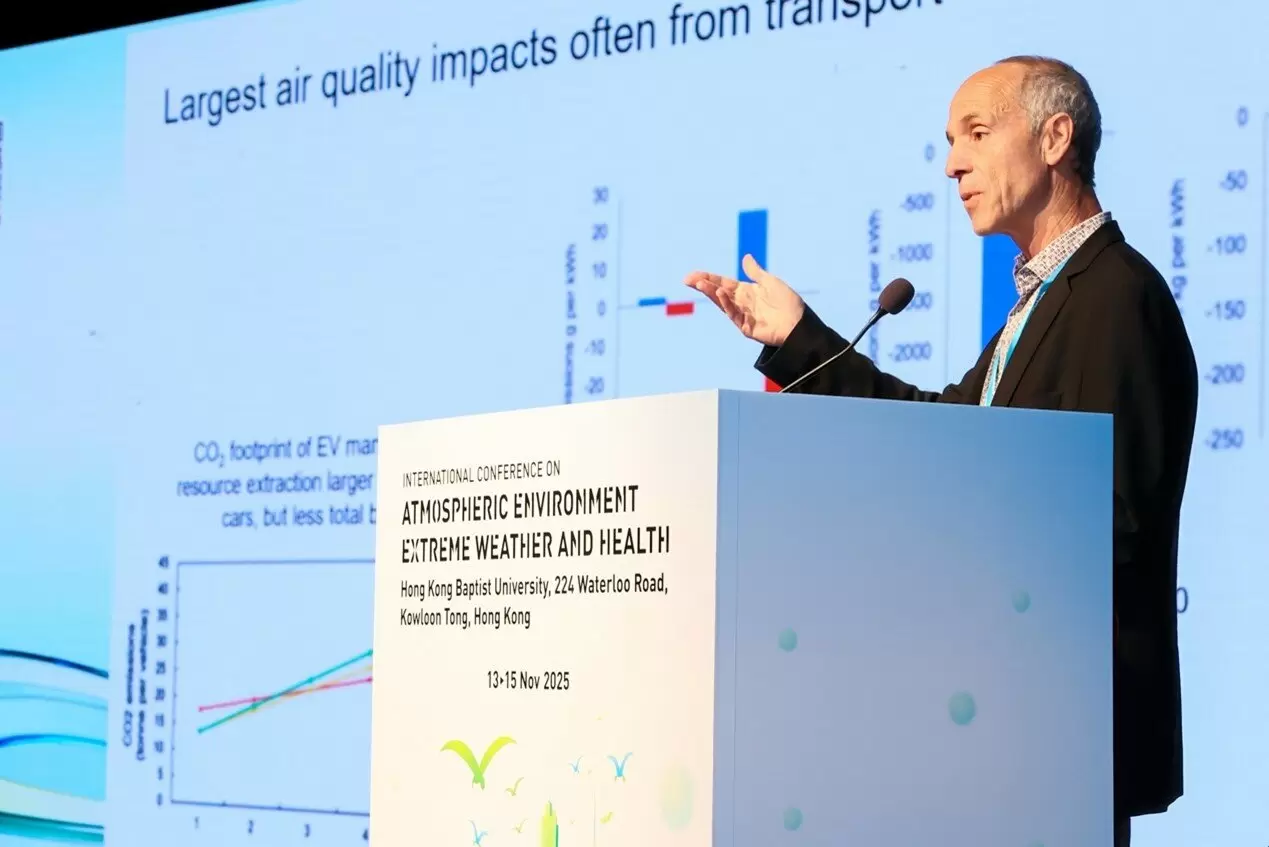
Prof Drew Shindell, Nicholas Professor of Earth Science at Duke University, Member of the National Academy of Sciences.
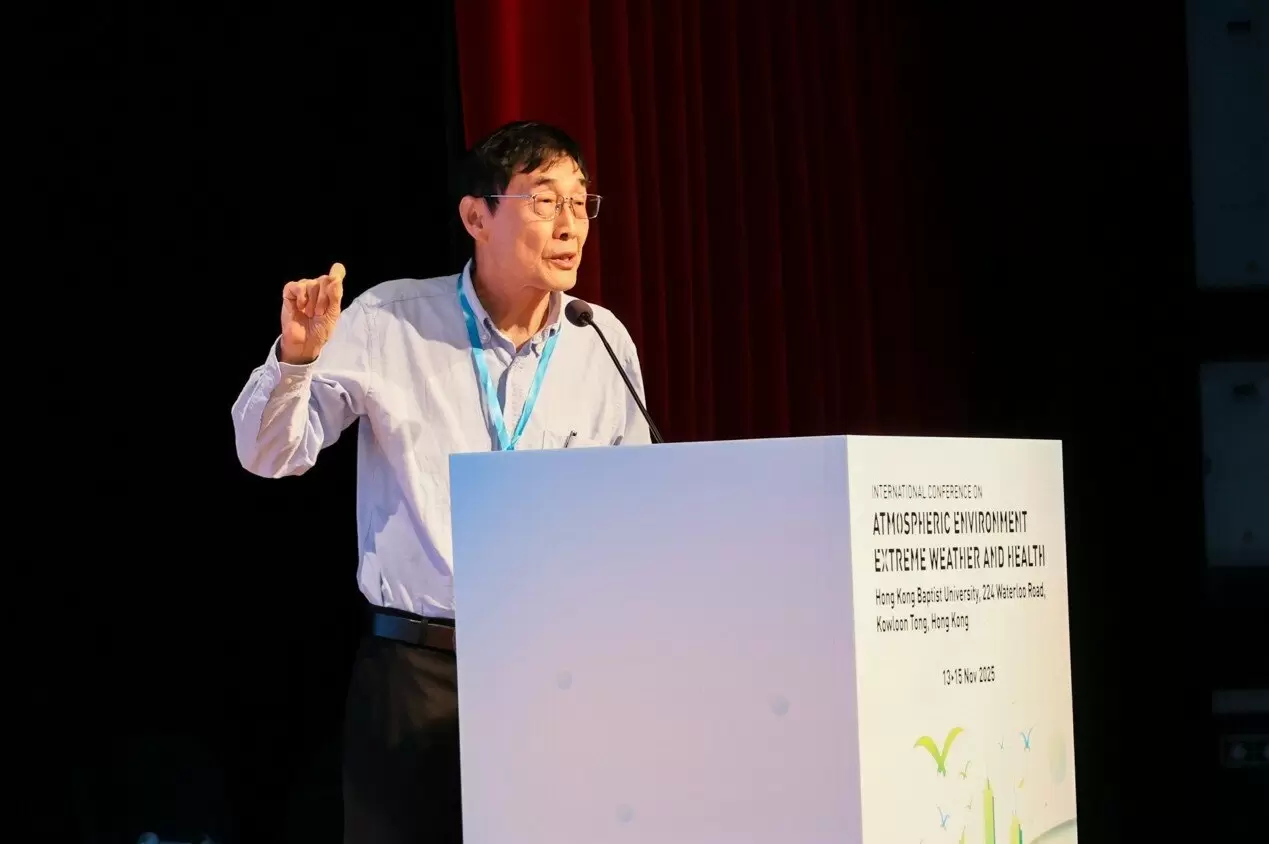
Prof Shaw-chen Liu, Jinan University, Member of the Third World Academy of Sciences.
In addition to the plenary presentations, six Parallel sessions were held on the afternoon of 14 November and throughout 15 November, covering key areas in atmospheric and environmental research. These sessions focused on the Causes and Mitigation of Air Pollution; Mechanisms and Attribution of Extreme Weather and Climate-related Events; Compound Extreme Events of Weather and Air Pollution; Climate-Chemistry Interactions and Future Projections; Climate Change, Air Pollution, Their Health Impacts; and Urban Climate, Environment, Health, and Resilience. Scholars and practitioners shared advances in observational techniques, modelling frameworks, and interdisciplinary approaches that enhance the understanding of environmental risks and support evidence-based mitigation strategies.
The Conference reached a broad consensus on strengthening global cooperation, promoting data-driven environmental governance, and accelerating interdisciplinary scientific research. HKBU extends its sincere gratitude to all speakers, supporting organizations, and participants, and reaffirms its continued commitment to advancing scientific cooperation and innovation to contribute to building a sustainable and resilient future.
Previous News
Next News