

Trade wars and industrial policy competitions: Understanding the US-China economic conflicts
Project Description
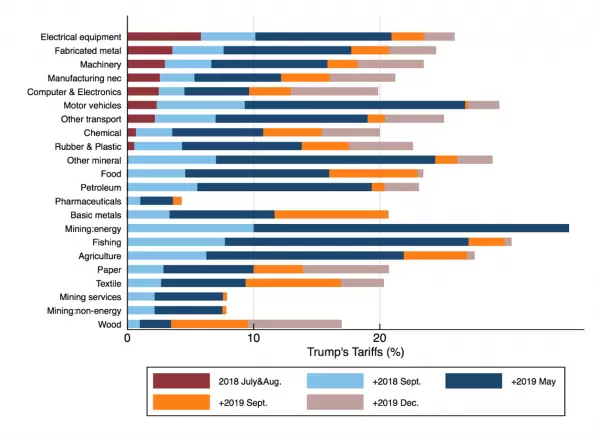
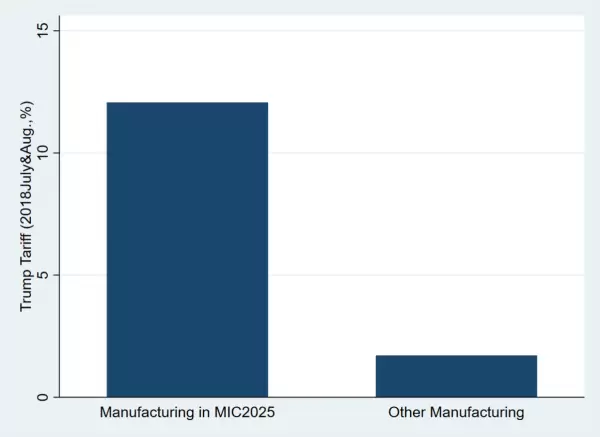
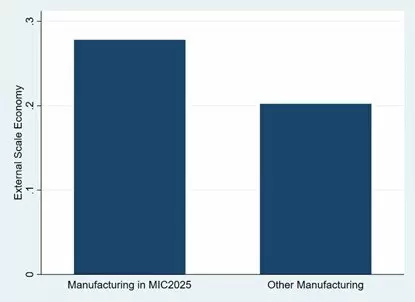
The US-China trade war, which began in 2018, stands as one of the most pivotal issues in the global economy. Central to understanding this conflict is the role of industrial policies, long implemented by China and recently proposed by the U.S. and various other economies. To what extent did the US-China trade war relate to China’s industrial policies? Is a tariff war the optimal response to industrial subsidies?
This project presents the first quantitative assessment of the US-China trade war that rigorously examines the interplay between trade wars and industrial policies. The study reveals that (i) China’s industrial policies have heightened U.S. incentives to impose protectionist tariffs on Chinese exports, (ii) the US-China trade war has led to significant welfare losses for both nations, and (iii) if the U.S. successfully implements its own industrial policies, it would reduce the need for protectionist tariffs, thereby mitigating welfare losses.
This project has resulted in a paper published in the Journal of Monetary Economics, a top-tier journal in macroeconomics, in January 2024. This paper has garnered 14 citations, underscoring its impact as a recently published work in the field of economics. Before publication, this paper was presented at one of the most important conferences in public policy, the 100th Carnegie-Rochester-NYU Conference on Public Policy. This project is increasingly influential in academic and policy discussions, owing to the critical nature of its subject matter and its widely applicable quantitative methodologies.
Project Investigator
Professor WANG Zi (Department of Accountancy, Economics and Finance)
Project Collaborators
- Ju, Jiandong (Tsinghua University)
- Ma, Hong (Tsinghua University)
- Zhu, Xiaodong (University of Hong Kong)
Funding/Award
- Tsinghua University 2023 Most Acclaimed Outstanding Research Award