

CDD-2107: Hong Kong's first botanical drug granted FDA orphan drug designation for the treatment of BAG3-related myofibrillar myopathy (Bag3opathy)
Project Description
Myofibrillar myopathies (MFMs) are rare, inherited, progressive neuromuscular disorders characterised by significant clinical and genetic heterogeneity. These disorders affect muscle function and cause weakness. Among the various genes implicated in MFMs, the BAG3 gene (Bcl-2 associated athanogene-3)-related MFM (Bag3opathy) manifests rapidly progressive muscle weakness during the first or second decade of life, cardiomyopathy, axonal polyneuropathy, and severe restrictive lung disease, potentially leading to respiratory failure. Currently, there are no specific drugs or therapies approved by the U.S. FDA for Bag3opathy, leading to increased healthcare and caregiving costs and imposing a substantial economic burden on families and society. This highlights the urgent need for the development of effective drugs to address Bag3opathy.
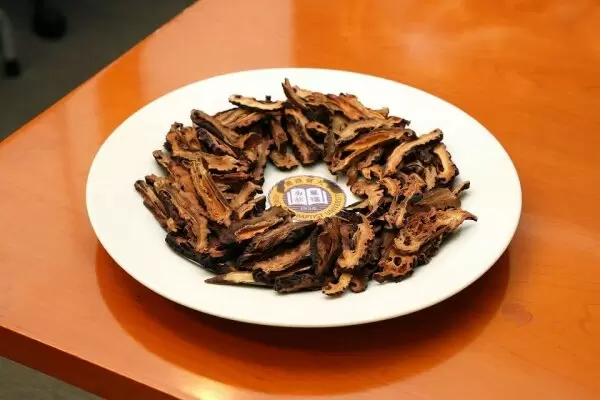
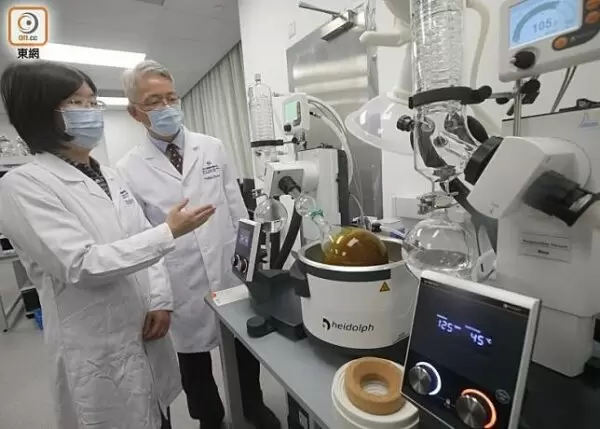
Our team employed modern drug screening techniques to identify key active components from treatment prescriptions. Advanced technologies such as multi-omics and artificial intelligence (AI) screening were utilised to clarify the therapeutic targets of the drug. CDD-2107, a candidate herbal medicine for improving the symptoms of Bag3opathy, represents a fusion of traditional Chinese medicine theory and modern technology. CDD-2107 has the potential to alleviate clinical symptoms in patients with Bag3opathy, including increased muscle strength, enhanced mobility, and greater independence, offering new hope to those affected.
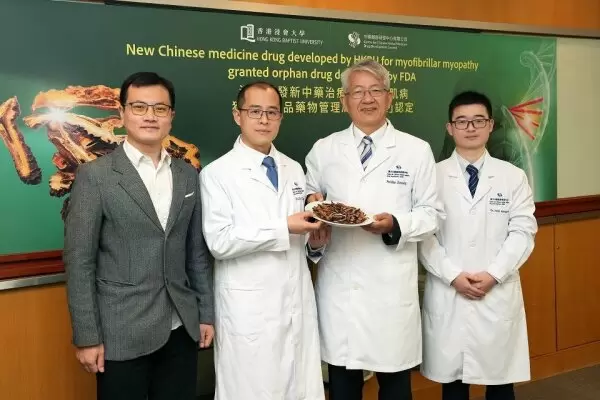
In September 2023, we submitted an application for orphan drug designation to the U.S. FDA, which was granted in November of the same year. We plan to submit an Investigational New Drug (IND) application to the FDA within two years. Our ultimate goal is to obtain FDA approval for CDD-2107, thereby significantly improving the condition of patients with Bag3opathy and enhancing their quality of life.
Project Investigator
Professor BIAN Zhaoxiang (School of Chinese Medicine)
Patent
PCT/CN2023/123896