

Molecular understanding and drug discovery on the complex interaction between obesity and cancer guided by holistic view of TCM
Project Description
Obesity has become the most important preventable cause of cancer. The current clinical challenges are obesity significantly increases the risk of 13 types of cancers and is strongly associated with 15%-20% of cancer-related deaths. Obesity not only reduces the accuracy of tumour diagnosis but also makes radiotherapy and surgery difficult. The dosages of chemotherapy drugs may need to be increased in obese cancer patients. Furthermore, obesity increases the difficulty of post-diagnosis care. Indeed, studies in Western medicine showed that immune disorders promote cancer development in obese patients.
Small extracellular vesicles (sEVs) play an important role in mediating the communication between immune cells and cancer cells by delivering cargo contents such as proteins, RNA, and other metabolites. However, there is little research on the communication network between immune cells and cancer cells mediated by sEVs. Exploring the communication network can provide key therapeutic targets for diagnosis and treatment.
Professor Kwan’s group seeks to investigate the roles of sEVs in the intricate relationship between obesity and cancer, focusing on the immune system’s perspective. An interdisciplinary approach is adopted in the research study. With the integration of the research efforts from scientists in bioinformatics, mathematics, computer engineering, and chemistry, the team aims to identify critical and druggable targets associated with obesity-related tumours and develop sEV-based therapies.
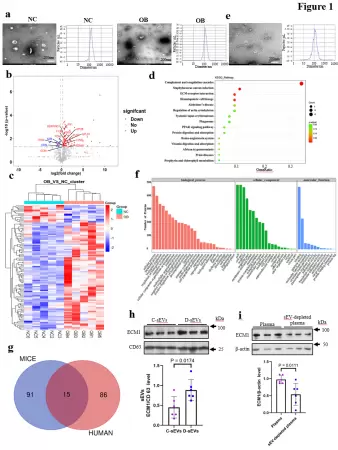
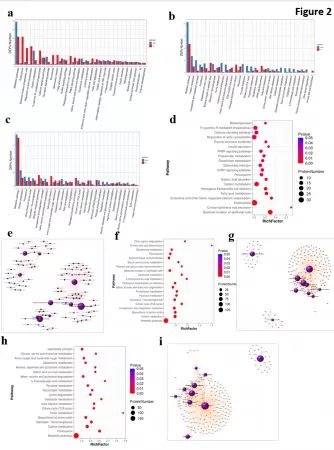
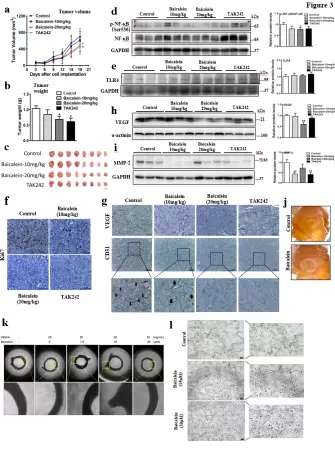
Currently, her team found that under obesity conditions, the level of extracellular matrix protein 1 in the circulating sEVs is significantly increased in an integrin-beta-2-dependent manner, which promotes the growth and metastasis of the breast cancer by upregulating MMP3 and S100A/B expression (Figure 1, Xu KY et al, 2024. Nat Commun). The team also employed omics studies to reveal the impact of obesity on the protein profile of sEVs derived from different fat depots and their effects on cancer development (Figures 2 and 3, Chen MT et al, 2022. Cell Mol Life Sci; Kwan HY et al, 2021. Cell Mol Life Sci; Hu HY et al., 2019. Cell Death Dis), which help to develop innovative therapeutic strategies (Figure 3, Chen MT et al, 2021. Clin Transl Med; Hu XJ et al,2021. Cell Death Dis).
Professor Kwan has published over 110 research papers in prestigious journals like Nature Communications, Proceedings of the National Academy of Sciences of the United States of America (PNAS), Cell, Circulation Research, Cell Death and Disease, Journal of Biological Chemistry, Cellular and Molecular Life Sciences, etc. Currently, she is an editorial board member for more than 10 international journals. She has been ranked among the world’s top 2% most-cited scientists by Stanford University in 2024.
Project Investigator
Professor KWAN Hiu Yee (School of Chinese Medicine)
Publications
- Xu, K., Fu, A., Li, Z. et al. Elevated extracellular matrix protein 1 in circulating extracellular vesicles supports breast cancer progression under obesity conditions. Nat Commun. 2024 Feb; 15: 1685. https://doi.org/10.1038/s41467-024-45995-5
- Chen M, Zhang F, Chen B, Lau C, Xu K, Tong T, Huo C, Han Q, Su T, Kwan HY. Omics approach to reveal the effects of obesity on the protein profiles of the exosomes derived from different adipose depots. Cell Mol Life Sci. 2022 Oct 28;79(11):570. doi: 10.1007/s00018-022-04597-4.
- Kwan HY, Chen M, Xu K, Chen B. The impact of obesity on adipocyte-derived extracellular vesicles. Cell Mol Life Sci. 2021 Dec;78(23):7275-7288. doi: 10.1007/s00018-021-03973-w.
- Chen M, Zhong K, Tan J, Meng M, Liu CM, Chen B, Huang C, Wong HLX, Bian Z, Su T, Kwan HY. Baicalein is a novel TLR4-targeting therapeutics agent that inhibits TLR4/HIF-1α/VEGF signaling pathway in colorectal cancer. Clin Transl Med. 2021 Nov;11(11):e564. doi: 10.1002/ctm2.564
- Hu X, Fatima S, Chen M, Xu K, Huang C, Gong RH, Su T, Wong HLX, Bian Z, Kwan HY. Toll-like receptor 4 is a master regulator for colorectal cancer growth under high-fat diet by programming cancer metabolism. Cell Death Dis. 2021 Aug 12;12(8):791. doi: 10.1038/s41419-021-04076-x.
- Su T, Huang C, Yang C, Jiang T, Su J, Chen M, Fatima S, Gong R, Hu X, Bian Z, Liu Z, Kwan HY. Apigenin inhibits STAT3/CD36 signaling axis and reduces visceral obesity. Pharmacol Res. 2020 Feb;152: 104586. doi: 10.1016/j.phrs.2019.104586. Epub 2019 Dec 23. Erratum in: Pharmacol Res. 2023 Jul;193: 106816. doi: 10.1016/j.phrs.2023.106816.
- Fatima S, Hu X, Huang C, Zhang W, Cai J, Huang M, Gong RH, Chen M, Ho AHM, Su T, Wong HLX, Bian Z, Kwan HY. High-fat diet feeding and palmitic acid increase CRC growth in β2AR-dependent manner. Cell Death Dis. 2019 Sep 26;10(10):711. doi: 10.1038/s41419-019-1958-6.
- Kwan HY, Liu B, Huang C, Fatima S, Su T, Zhao X, Ho AHM, Han Q, Hu X, Gong RH, Chen M, Wong HLX, Bian Z. Signal transducer and activator of transcription-3 drives the high-fat diet-associated prostate cancer growth. Cell Death Dis. 2019 Sep 2;10(9):637. doi: 10.1038/s41419-019-1842-4.