

Artesunate treats obesity in male mice and non-human primates through GDF15/GFRAL signalling axis
Project Description
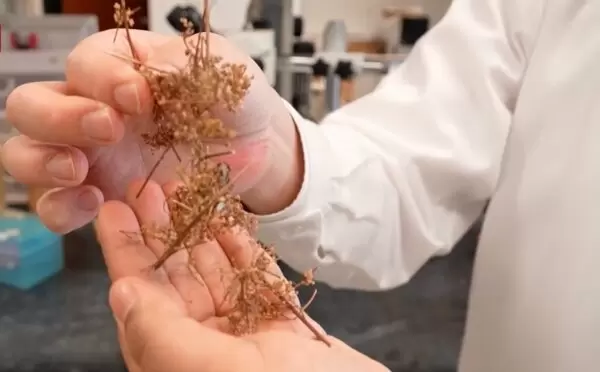
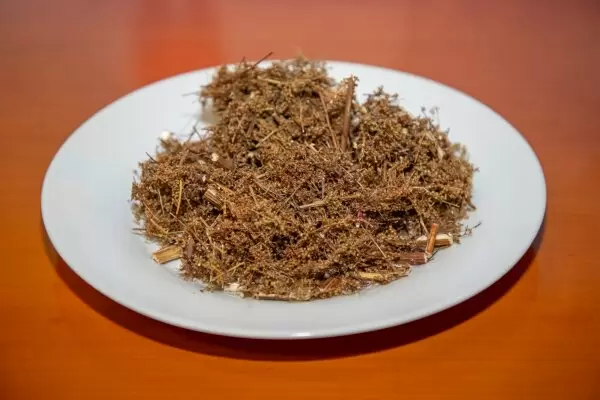
Obesity is a growing global health issue, affecting 1 in 8 people worldwide. In our recent study, we have discovered a promising new treatment that could revolutionise the treatment of obesity. We found that artesunate, a derivative of artemisinin (a compound derived from the traditional Chinese medicinal herb sweet wormwood), has the potential to effectively reduce obesity in humans. Artesunate can significantly curb the appetite (hungriness) of obese mice and non-human primates (monkeys) by about 30%. This reduction in appetite led to impressive weight losses of 5 to 10% within just two weeks. Beyond weight loss, artesunate was also observed to significantly improve metabolic health, including better insulin levels in the blood. We delved deeper to understand how artesunate works to control body weight and appetite. Artesunate increases the levels of an appetite-regulating hormone called Growth Differentiation Factor 15 (GDF15). This hormone sends signals to the body to reduce food intake. GDF15 has a unique receptor known as GDNF-family receptor α-like (GFRAL) located in the hindbrain, and the researchers identified that the anti-obesity effect of artesunate is mediated by enhancing the GDF15-GFRAL signalling pathway.
One of the most exciting aspects of this discovery is that artesunate had no side effects compared to commonly used anti-obesity drugs. The monkey treated with artesunate showed no signs of nausea or malaise, which are common side effects of many weight-loss medications. Additionally, regular blood tests confirmed that there were no negative effects on the kidneys or liver, underscoring the safety of artesunate. This research could provide a much-needed alternative treatment option for obese patients who cannot tolerate the side effects associated with conventional anti-obesity drugs. "This is the first time that artesunate has been shown to treat obesity in non-human primates, suggesting its therapeutic potential for human obesity,"
This breakthrough is a promising step forward and could pave the way for the development of new anti-obesity therapies. Moreover, the potential applications of artesunate extend beyond obesity treatment. We believe that artesunate could also be beneficial in diabetes therapy, further broadening its therapeutic promise. This exciting discovery opens new avenues for future research and the development of innovative treatments for metabolic disorders, offering hope for a healthier future.

Project Investigator
Professor WONG Hoi Leong, Xavier (School of Chinese Medicine)
Project Collaborators
- Dr Pallavi ASTHANA (School of Chinese Medicine)
- Professor BIAN Zhaoxiang (School of Chinese Medicine)
- University of Helsinki, Finland
- Guangzhou Medical University, China
Publication
Guo X, Cheng KW, Gurung S, Huang J, Asthana P, Wu J, Zhang Y, Mahato AK, Saarma M, Ustav M, Kwan HY, Lyu A, Chan KM, Bian ZX, Wong HLX#. (2024) “Artesunate treats obesity in male non-human primates through GDF15/GFRAL signaling axis” Nature Communications, 15, 1034
https://www.nature.com/articles/s41467-024-45452-3