

'Father of systems biology' Leroy Hood outlines new era of personalised healthcare at HKBU IoC distinguished lecture
Treating disease has been the primary focus of modern healthcare for decades or even centuries. However, the advancement of biotechnology and the exponential development of big data and artificial intelligence (AI) are paving the way for a fundamental shift towards optimising wellness and preventing disease, according to internationally renowned systems biologist Professor Leroy Hood.
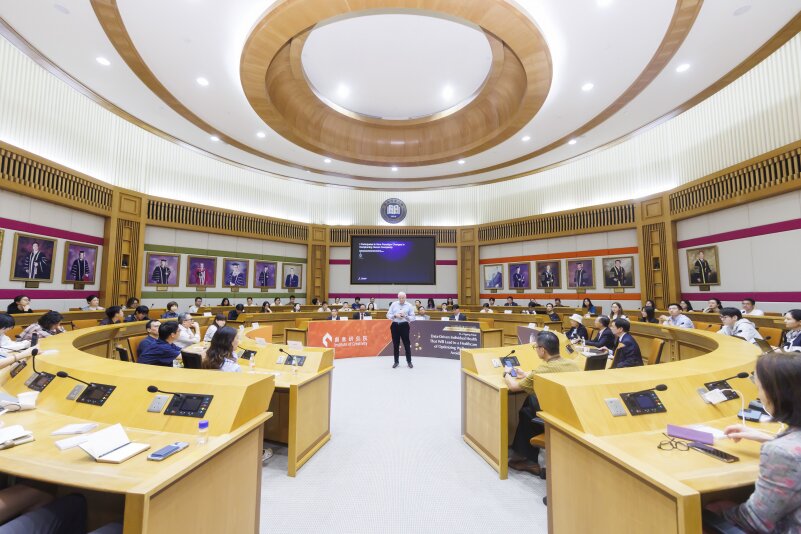
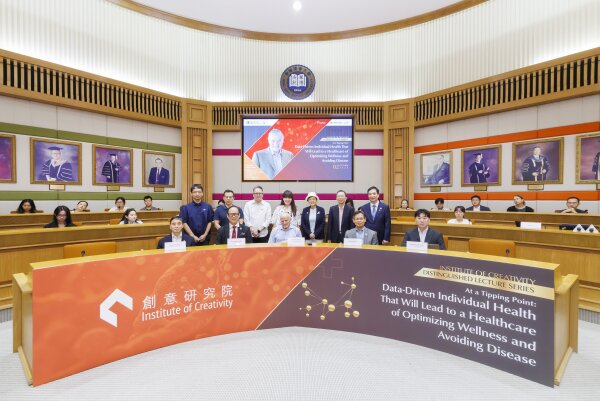
At a lecture entitled “At a Tipping Point: Data-Driven Individual Health That Will Lead to a Healthcare of Optimizing Wellness and Avoiding Disease” held at Hong Kong Baptist University (HKBU) on 2 October 2026, Professor Hood shared his insights and latest initiatives on deciphering biological complexity and developing tools to power data-driven personalised health.
The lecture, jointly hosted by HKBU’s Institute of Creativity and Institute of Systems Medicine and Health Sciences, is part of the Distinguished Lecture Series which brings world-class scholars to the University for high-level intellectual exchange.
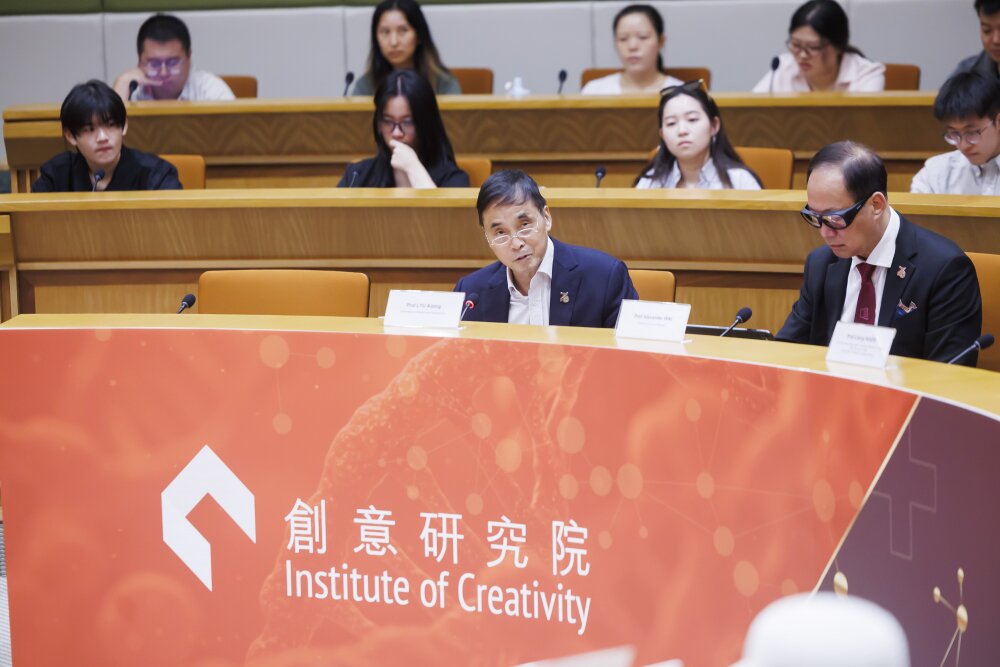
In his welcoming remarks, Professor Lyu Aiping (above), Vice-President (Research and Development), celebrates Professor Hood’s transformative contributions to biomedical science, noting that “his work did not just decode life — it gave us the tools to understand it.”
The visit took place against the broader backdrop of the Nobel season, a period when international scientific attention centres on transformative breakthroughs across medicine and the life sciences—from immunology and neurobiology to complex cellular systems. This context underscores the enduring impact of pioneering research institutions like the Seattle-based Institute for Systems Biology (ISB), which Professor Hood co-founded in 2000 as the world’s first institute integrating biology, computation, and technology—and whose faculty includes 2025 Nobel Laureate Dr Mary Brunkow.
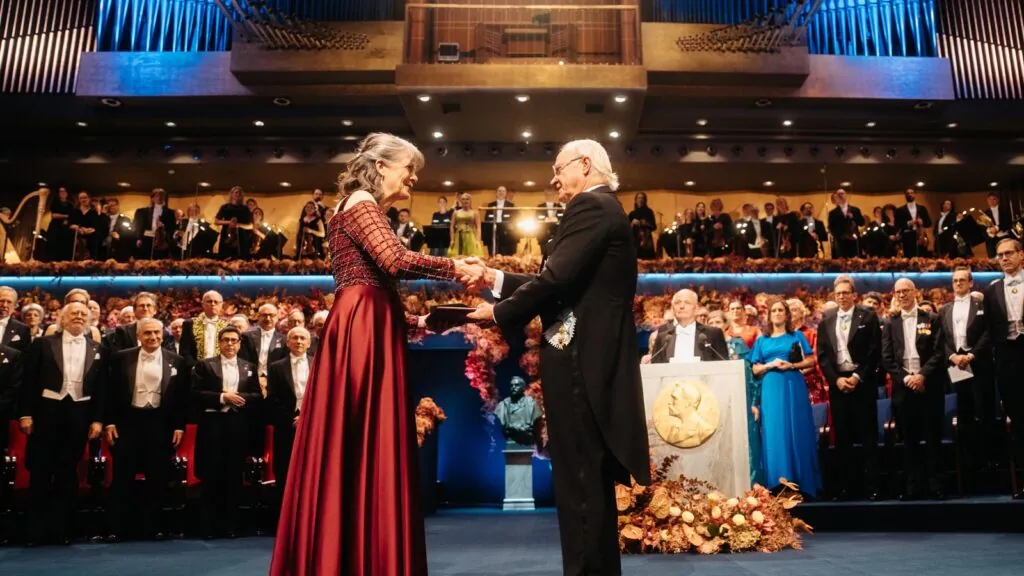
Dr Brunkow. Photo courtesy of Clément Morin/ Institute for Systems Biology (ISB)
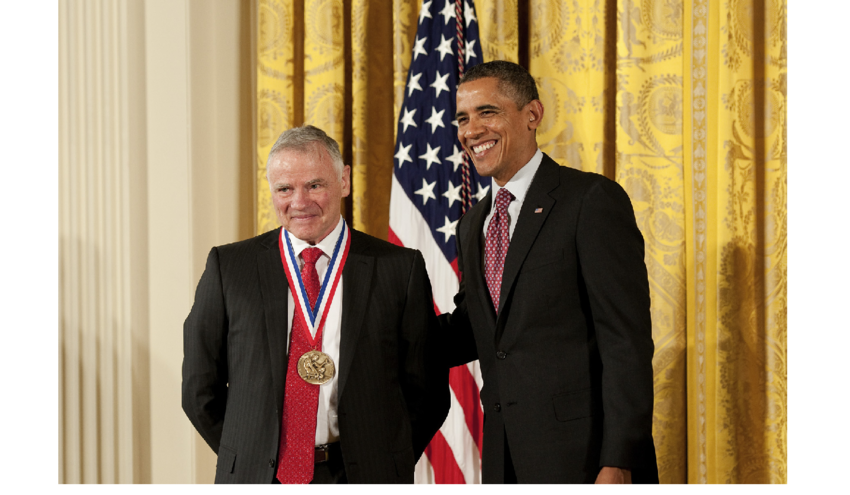
A photo of Leroy Hood and former US President Barack Obama during a 2013 White House ceremony awarding the National Medal of Science. Source: Research Gate
Throughout a distinguished career spanning over five decades, Professor Hood has fundamentally reshaped modern life sciences. He stands as one of only 20 scientists in history elected to all three U.S. National Academies (Sciences, Engineering, and Medicine), and his foundational contributions have earned science's highest honours, including the U.S. National Medal of Science, the Lasker Award, and the Kyoto Prize.
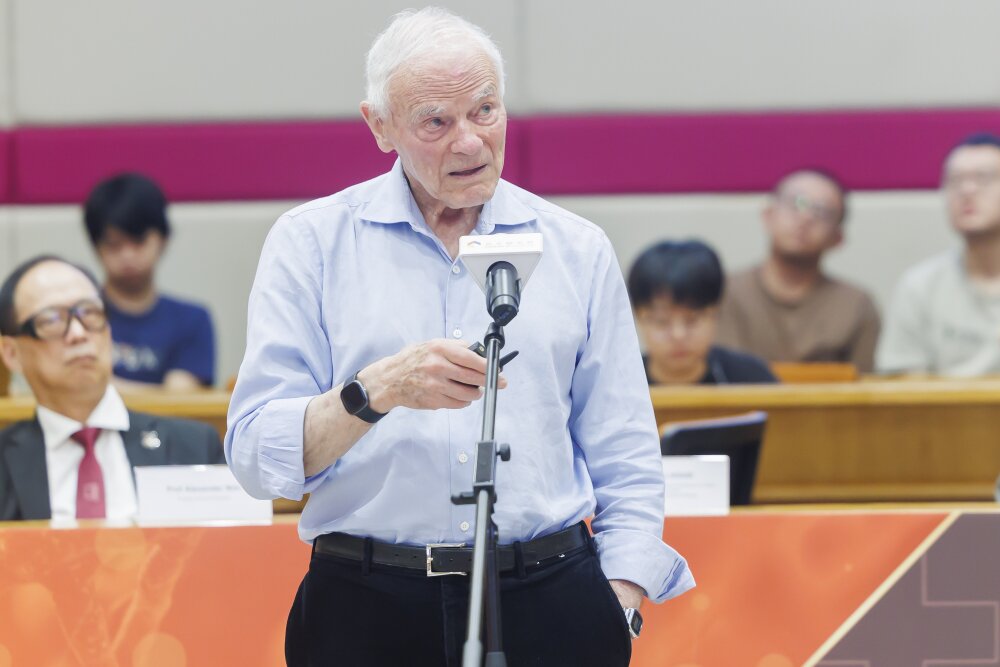
Widely regarded as the founding father of systems biology, the award-winning scientist has been actively involved in every major paradigm shift in deciphering human complexity. While at Caltech, his laboratory developed four foundational instruments—the automated protein sequencer, DNA synthesiser, peptide synthesiser, and the automated fluorescent DNA sequencer—groundbreaking technologies that revolutionised genomics and served as the primary technological backbone for the Human Genome Project.
He reflected on the early days of his studies in the field. “It was clear at that time that two things were missing. One, we didn’t have the technology for generating big data — it’s big data that’s going to decipher biological complexity. Two, we didn’t understand, even if we had the big data, what we would do with it. And that later became systems biology,” said Professor Hood.
In the lecture, Professor Hood first illustrated the relationship between the genome and the phenome. While an individual’s genotype sets the upper and lower boundaries of one’s health, one’s phenotype traverses between those boundaries from birth to death in response to lifestyle, environment and other influences.
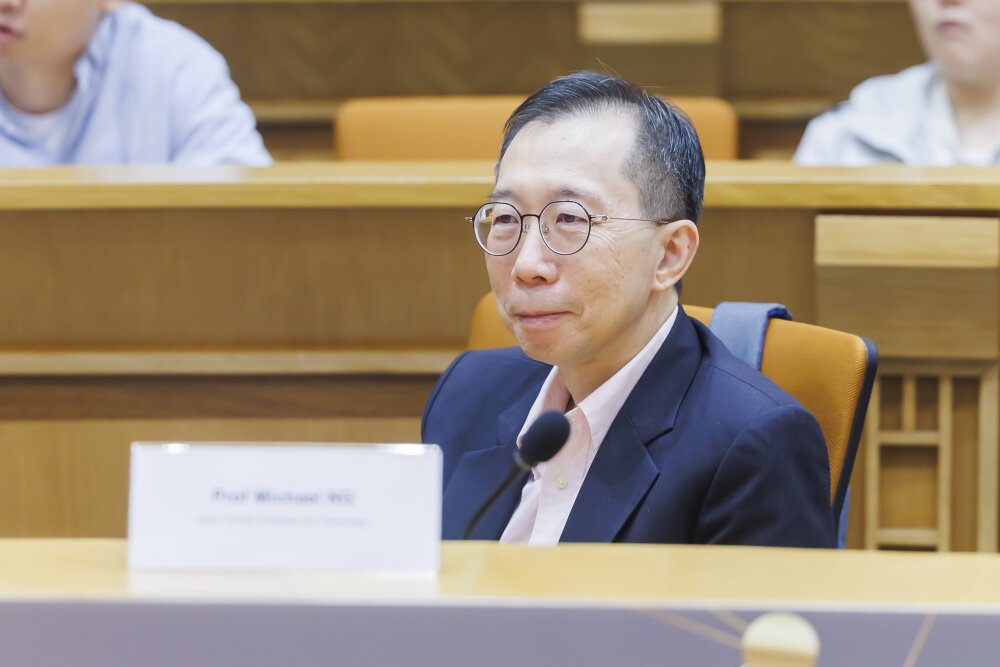
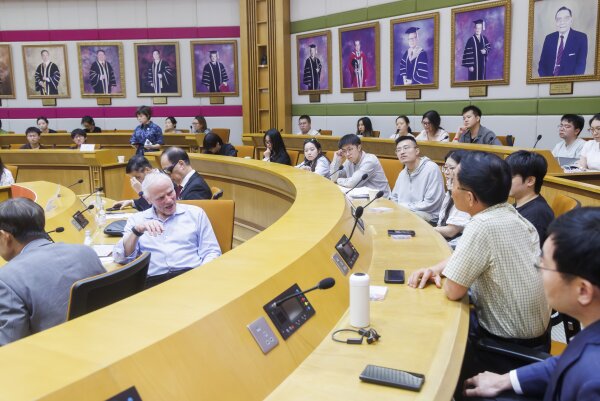
HKBU chair professors, including Professor Michael Ng, Dean of Science and Technology cum Chair Professor in Mathematics and Data Science, attend the distinguished lecture and engage in discussions.
“What we’d like to do is optimize your health potential and we can do that by dealing with your behaviour and your environment, making measurements of the phenome that involve blood analytes, gut microbiome, brain and body digital health assays,” said Professor Hood, who pioneered the concept of P4 medicine: “predictive, preventive, personalised and participatory” in the early 2000s. By generating a dynamic, high-dimensional picture of a person's health, researchers can identify opportunities for intervention before disease develops.
These concepts were first put into practice through Arivale, a scientific wellness programme launched in 2015. Over four years, the programme analysed the genome and phenome data collected from 5,000 participants twice a year and converted the data into actionable possibilities with wellness and nutritional coaching to improve wellness and reduce disease risk.
Currently, through Phenome Health, a non-profit organisation advancing data-driven approaches to health, and the proposed Human Phenome Initiative, Professor Hood aims to collect longitudinal genome and phenome data from one million individuals. “Having a high-quality biobank means you can go back and ask new hypotheses about what you’ve discovered,” he said.
Professor Hood’s team has also developed new AI tools to allow researchers to connect fragmented biomedical knowledge into traceable biological paths, interrelating all sorts of things that have never been related before to fill gaps in wellness knowledge, and even developing peptide drugs.
At the heart of all these endeavours is a simple but ambitious vision: “Our vision is a world where everyone is empowered by their own data to improve wellness and prevent disease,” said Professor Hood.
To achieve that, he thinks integrating Traditional Chinese Medicine (TCM) into this emerging scientific framework would be the key. “It's not going to be done by gero-science alone, and it's not going to be done by traditional Chinese medicine alone. It's going to be done by the integration of both of those into scientific wellness,” he said. “Scientific wellness is really going to encompass both the domains of gero-science and traditional Chinese medicine.”
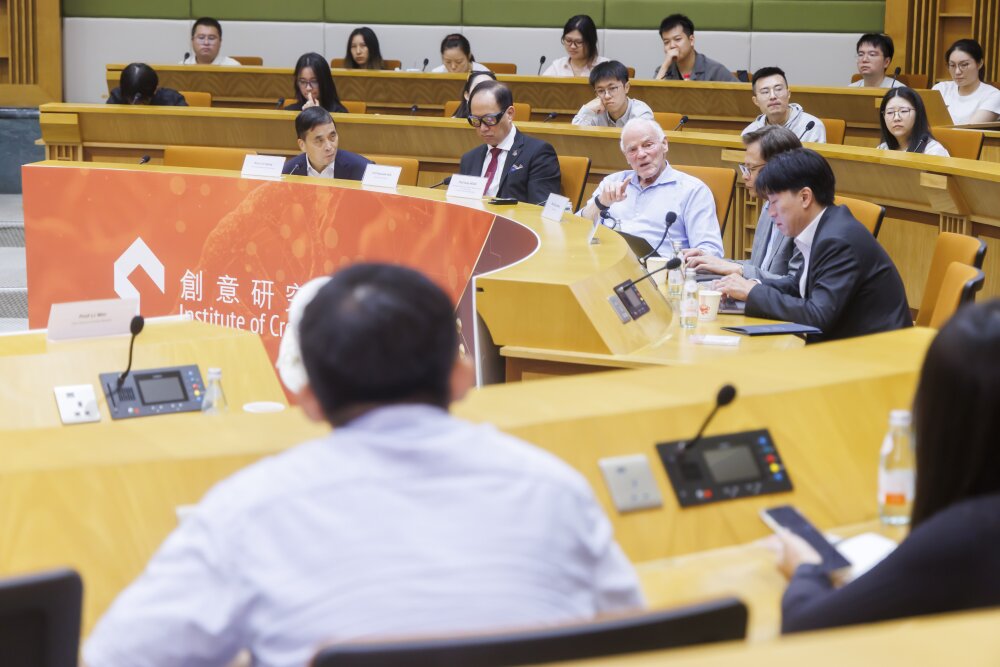
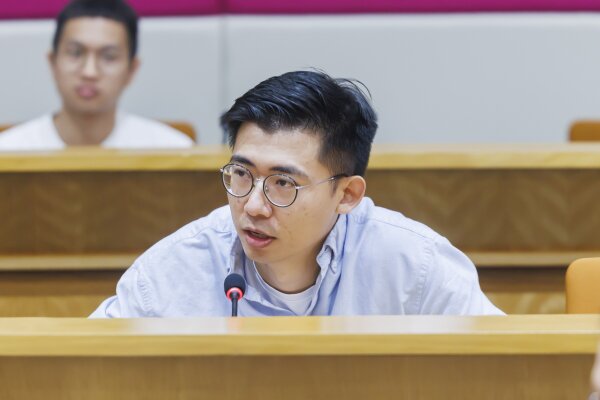
During the Q&A session, Professor Hood also expressed a strong interest in collaborating with Chinese medicine researchers. “I am looking for some partners in bringing the omics of traditional Chinese medicine into this data lake that I've talked about,” he said. “The idea that we can put together Western medicine with traditional Chinese medicine is really exciting to me.”
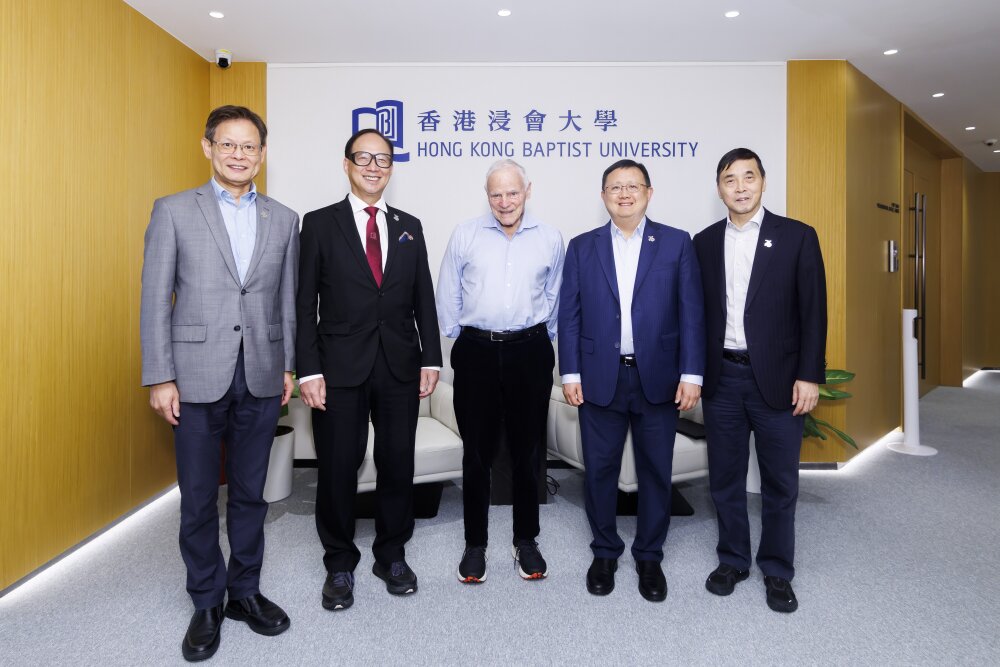
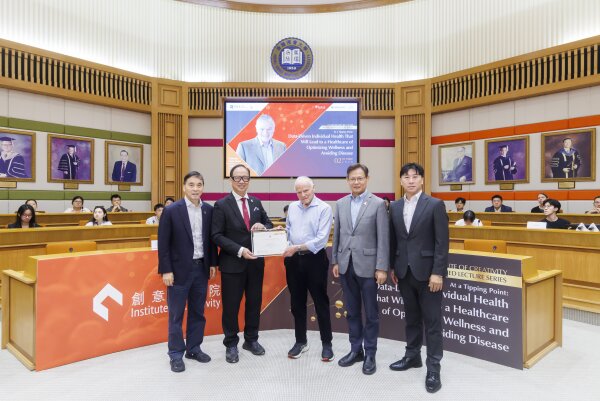
Professor Hood (centre) poses with the University’s leadership (from left): Professor Liu Jiming, Interim Provost and Chair Professor in Computer Science; Professor Alexander Wai, President and Vice-Chancellor; Dr Kennedy Wong, Chairman of the Council and the Court; and Professor Lyu.
This vision strongly resonates with HKBU’s strategic focus in Systems Health, notably spearheaded by the Institute of Systems Medicine and Health Sciences, opening promising possibilities for future synergy between international systems biology frameworks and innovative approaches in Chinese medicine and health sciences.