

突破獎牌思維:浸大AI開闢運動員安全與卓越新紀元
As China’s top athletes prepare for the National Games this November, researchers at Hong Kong Baptist University (HKBU) are working on a quiet revolution in sports science.
Funded by the Guangdong and Hong Kong Universities “1+1+1” Joint Research Collaboration Scheme, and led by HKBU’s Department of Sports and Health Sciences in collaboration with the Faculty of Science at Hong Kong, Beijing Normal-Hong Kong Baptist University (BNBU) and the General Administration of Sport of China, the project is developing a world-first AI-powered monitoring system designed to safeguard athlete health and optimise performance.
The initiative, formally titled “Development of AI-based Technologies to Protect the Health and Enhance Performance of Athletes Participating in the Olympic Games,” has already been piloted at the Tokyo 2020 and Paris 2024 Summer Olympics. With its deployment now being refined for the National Games, HKBU’s innovations are poised to transform not only the preparation of national athletes, but also the very future of sports science.
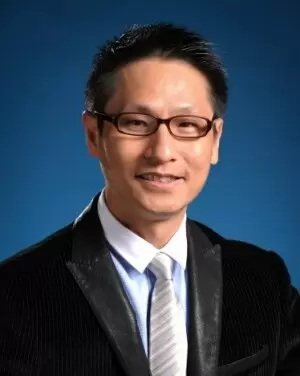
We sat down with Professor Patrick W.C. Lau, Chair of the Department of Sports and Health Sciences, to learn how HKBU’s pioneering research is setting new standards for athlete safety and performance on both the national and global stage.
Q: Professor Lau, your department has a strong research partnership with the General Administration of Sport of China, the International Olympic Committee and many other major sports organisations worldwide. Could you give us an overview of the department’s key research strengths and how they are applied to support elite athletes?
A: The department’s research is built on two main pillars: the promotion of physical activity for public health and the enhancement of elite sport performance.
On one hand, we investigate the role of physical activity in preventing and managing pressing health issues such as cardiovascular disease, obesity, diabetes, and healthy ageing. On the other, we focus on the demands of elite sport, where we design and apply state-of-the-art innovations to optimise training and maximise performance at international competitions.
Our research culture is highly interdisciplinary and collaborative, enabling us to work closely with global partners such as the International Federation of Sports Medicine (FIMS), International Olympic Committee (IOC), World Anti-Doping Agency (WADA), and the World Health Organization (WHO). These collaborations ensure our research remains globally relevant while delivering direct, practical benefits—from improving community health to supporting national athletes competing on the world stage.
Q: The National Games are a massive undertaking. Beyond your role as Department Chair, you are also a key collaborator on the project “Development of AI-based Technologies to Protect the Health and Enhance Performance of Athletes Participating in the Olympic Games” with Professor Yannis Pitsiladis and Professor Michael Ng. What does this research do to help athletes perform at their peak while also ensuring their health and safety?
A: This project is a powerful demonstration of interdisciplinary research in action, bringing together sports scientists, AI specialists, and data analysts from HKBU, BNBU, and the General Administration of Sport of China.
At its heart is a world-first, non-invasive real-time monitoring system that provides immediate assessments of an athlete’s condition. It tracks a comprehensive set of metrics—including cardiovascular functions such as ECG and HRV, body temperature, and movement patterns—to give coaches and medical teams a holistic view of health and performance.
After successful deployment at Tokyo 2020 and Paris 2024, we are now refining the system for the National Games. This ensures athletes from both the Chinese Mainland and Hong Kong benefit from the most advanced technology as they prepare for upcoming milestones like the 2026 Milano-Cortina Winter Olympics and the 2028 Los Angeles Summer Olympics.
Q: This project is a great example of science and sport working hand-in-hand. How do you see AI and big data reshaping the world of elite sports?
A: AI and big data are revolutionising elite sports by shifting us from periodic, subjective assessments to continuous, objective analysis. Our project demonstrates this: by feeding complex, real-time biometric and environmental data into bespoke AI systems, we can move beyond simple performance tracking to generate predictive insights.
This empowers coaches and medical teams to make proactive decisions—adjusting training loads, fine-tuning recovery plans, and using early-warning algorithms to mitigate injury risks. In short, AI allows us to move from simply responding to issues, to anticipating and preventing them before they occur.
Q: Looking beyond the National Games, what is the next ‘game changer’ in sports science research, and what role will HKBU play in making it a reality?
A: The next major breakthrough will be the integration of predictive AI with personalised digital twins in the athlete ecosystem. These virtual models will simulate an athlete’s unique responses to different training regimens, environmental conditions, and recovery strategies—creating a dynamic, data-driven framework for truly personalised care.
HKBU is at the forefront of this movement. Our interdisciplinary teams and global collaborations provide the platform to test, refine, and implement these innovations at the highest level of sport.
Ultimately, this is not just about winning medals. It is about ushering in a new era of hyper-personalised, data-driven care—one that enhances athlete safety and performance while also advancing health and wellbeing for society as a whole.