

Bridging east and west: a precision medicine revolution for rheumatoid arthritis
.png)
By combining advanced molecular biology with a centuries-old traditional Chinese herb, researchers have unlocked a targeted therapy that has already transformed the lives of over 44,000 rheumatoid arthritis (RA) patients—drastically reducing bone erosion, cutting hospital stays, and lowering the need for joint replacement surgery.
Key Impacts:
- 44,000+ rheumatoid arthritis patients successfully treated with the "East-meets-West" combination therapy
- 3 clinical centres across the Chinese Mainland actively administering the newly developed precision medicine regimen
- 48-week randomised controlled clinical trial proving the therapy's immediate, superior clinical effects in reducing bone erosion
- Healthcare savings achieved by reducing patients' financial burdens, hospital stays, and the need for costly joint replacement surgeries
Rheumatoid arthritis is an invisible thief affecting approximately 1% of the global population. It is a chronic, systemic autoimmune inflammatory disease that preferentially attacks the joints and surrounding soft tissues. For those living with the condition, the most devastating consequence is irreversible structural damage and high disability rates, which often lead to joint deformity and a total loss of physical function.
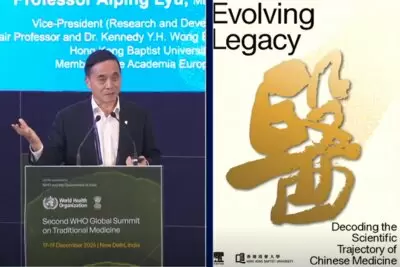
Research led by Professor Lyu Aiping, Hong Kong Baptist University's Vice-President (Research and Development) and Dr. Kennedy Y. H. Wong Endowed Professor in Chinese Medicine, has long emphasised that "periarticular bone erosion is a central feature of RA, which is associated with disease severity and poor functional outcome."
For years, rheumatologists have relied on disease-modifying antirheumatic drugs (DMARDs) to slow this progression. Among these, leflunomide has stood out as one of the few non-steroid options proven to attenuate bone erosion. However, it carries a frustrating clinical caveat: it only works for about half of the people who take it. Professor Lyu's team identified a major gap in understanding, allowing joint destruction to continue unchecked.
"Only 40-50% of RA patients show a favourable response to leflunomide, and the molecular mechanisms responsible for the leflunomide unresponsiveness remain poorly understood," Professor Lyu explains.
To solve this problem, the research team embarked on an intensive basic science study from 2014 to 2018, and what they discovered shifted the understanding of RA treatment radically. Their basic research revealed that beyond leflunomide's well-known immunomodulatory action, the drug can also activate a pathway involving the aryl hydrocarbon receptor (AHR) to inhibit a key inflammatory marker, C-reactive protein (CRP), thereby attenuating bone erosion.
However, a molecular tug-of-war was sabotaging this process in certain patients. The team found that in RA individuals with higher serum CRP levels, the leflunomide-AHR-CRP signalling pathway is disturbed. High CRP expression upregulates a protein called HIF1α, which competes with AHR for a critical binding partner, in turn limiting leflunomide's efficacy. Once this culprit was identified, the path forward became clear. In rodent models, the team demonstrated that adding a HIF1α inhibitor could improve the therapeutic response to leflunomide, and this discovery not only underscored the clinical value of CRP levels as a predictor of treatment response, but also laid the groundwork for a highly targeted precision medicine strategy.
Rather than spending decades developing a novel synthetic chemical to inhibit HIF1α, the research team looked eastwards, turning to the extensive pharmacopeia of Traditional Chinese Medicine. Their focus settled on Chuanxiong or Chuan Xiong (or the Szechwan Lovage Rhizome). One of its active components, ligustrazine (tetramethylpyrazine), had already been approved by China's National Medical Products Administration for clinical application.
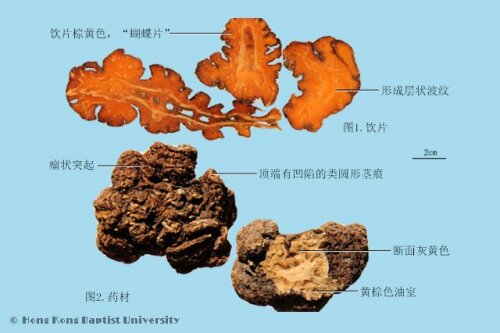
Historically, Chuanxiong had been used as an empirical therapy known for reducing disease activity for RA patients in some Chinese Medicine practices in Chinese Mainland , and now crucially, the team worked out that certain active components derived from Chuanxiong—including ligustrazine—can modulate HIF-1α expression. This discovery bridged ancient wisdom with modern molecular science. "It is reasonable to combine leflunomide with Chuanxiong or its active component (including ligustrazine) for improving the responsiveness of leflunomide in RA patients," Professor Lyu concludes.
Translating this bench science into bedside reality, the team launched a 48-week randomised controlled clinical trial. The results were immediate and striking. The combination therapy of leflunomide and ligustrazine showed superior effects compared to leflunomide alone in reducing joint inflammation and attenuating bone erosion in RA patients. The clinical trial further endorsed the real-world application of Chuanxiong alongside conventional DMARDs, including leflunomide. Since October 2019, this "East-meets-West" combination therapy has been used successfully to treat more than 44,000 RA patients across three clinical centres in Chinese Mainland, expanding the therapeutic options for rheumatology care.
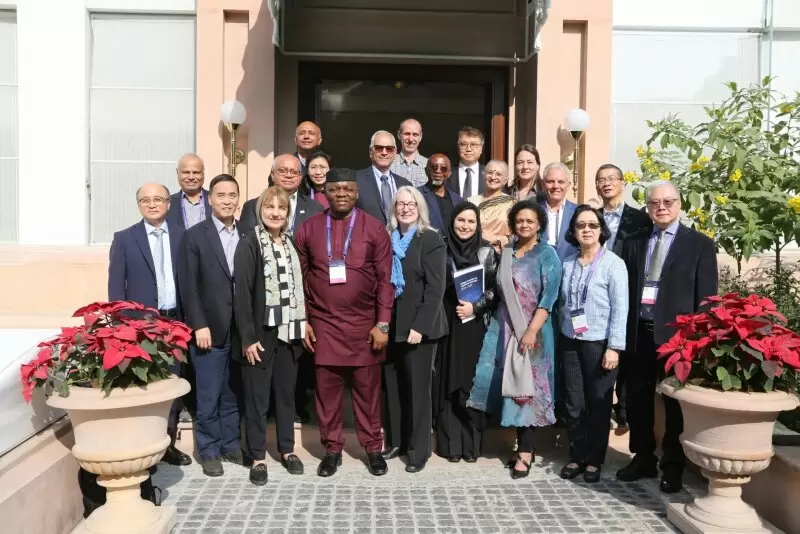
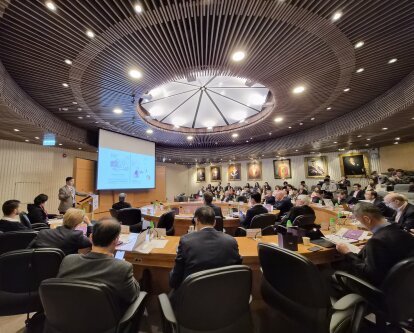
Professor Lyu (second from left, front row) has been appointed as a member of the newly established Strategic and Technical Advisory Group for Traditional, Complementary and Integrative Medicine (STAG-TM) of WHO
Beyond the direct physical benefits to patients, the widespread adoption of this precision medicine strategy has sent positive ripples through the healthcare economy. RA is notoriously expensive to manage, often requiring prolonged hospitalisation and costly surgical interventions when joints fail.
Importantly, the application of combinational therapy with Chuanxiong and DMARDs effectively reduces the patients' financial burden in RA management
Professor Lyu Aiping
By successfully identifying baseline levels of serum C-reactive protein as a marker to distinguish unresponsive patients, Professor Lyu's team did more than solve a biological puzzle. They optimised modern Western treatments by using traditional Chinese medicine, cementing a precision medicine-based regimen for RA patients in Chinese Mainland that saves healthcare systems time and money while preserving the natural mobility of thousands of individuals.
Professor Lyu’s research profile: Aiping LYU - Hong Kong Baptist University